Shopify development

For where the
theme runs out

Themes cover the first eighty percent. The last twenty is where stores actually lose sales, and it is where most agencies stop.

  • Hire a Shopify developer
  • Custom ecommerce development
  • Custom Shopify development
  • Shopify migration services
The eighty and the twenty

What a theme covers, and where it gives up

Neither column is a criticism of Shopify. It is where the line sits.

A theme handles

  • A catalogue laid out in a grid
  • Checkout, shipping rates and tax
  • Colour, type and a homepage that looks right
  • The first hundred products

Where it runs out

  • A shopper who cannot tell which of two hundred products suits them
  • Payment and delivery rails a market actually uses, rather than the default ones
  • A promotion tied to real stock instead of a timer that resets on refresh
  • Collections that stop working somewhere around the thousandth product
  • The twelfth app, which breaks the layout the eleven before it agreed on
How the work arrives

Build it, extend it, or fix it

Most stores arrive in the second or third of these, not the first.

A store built around the catalogue rather than configured on top of a template.

  • Custom theme work through the theme own system, so updates do not undo it
  • Custom sections instead of page builder sprawl
  • Collection structure decided before styling, which is what keeps a large catalogue browsable
  • Migration from another platform, with URLs and redirects handled
Proof

Three stores, and what each one needed

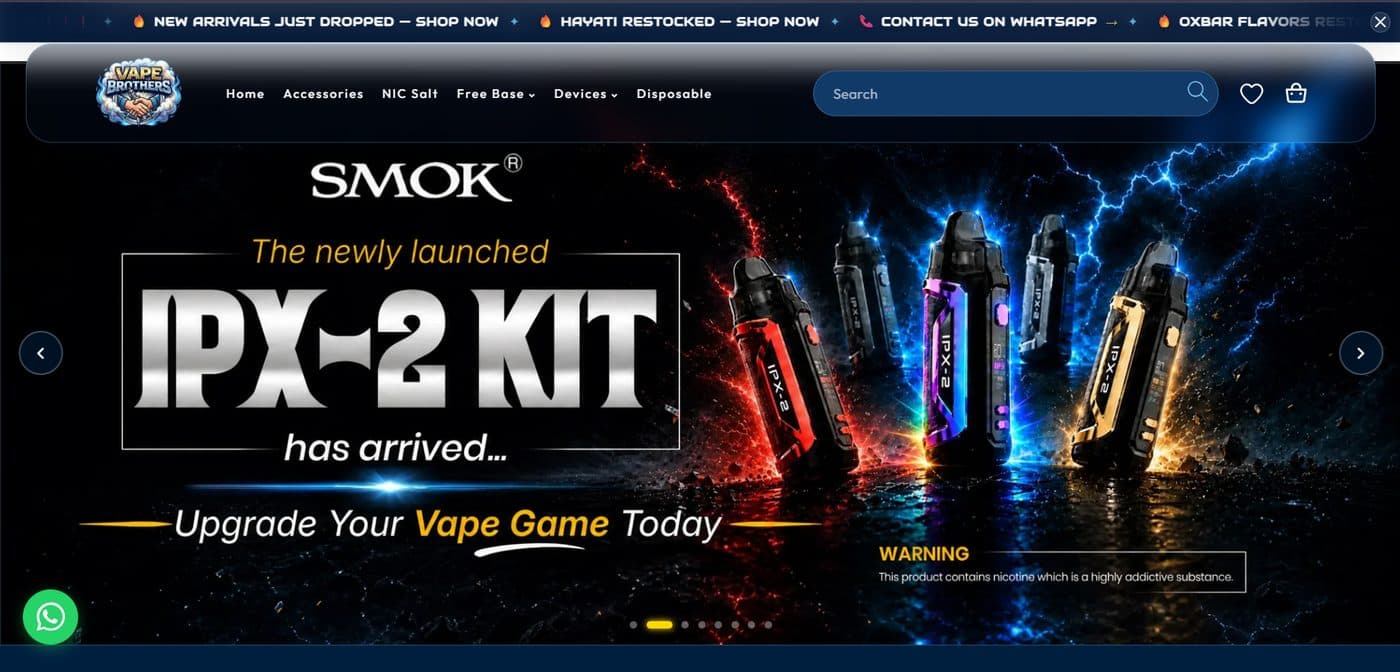
Vape Brothers, Pakistan, 200+ products
Pakistan, 200+ products

Vape Brothers

A custom theme over a 200+ product catalogue, with a fit quiz that turns the category wall into a recommendation, flash sale modules tied to real inventory, and the local rails wired in: TCS for delivery and JazzCash for payment. A template can style a store. It cannot give a Pakistani retailer the checkout their customers already trust.

Read the full case study
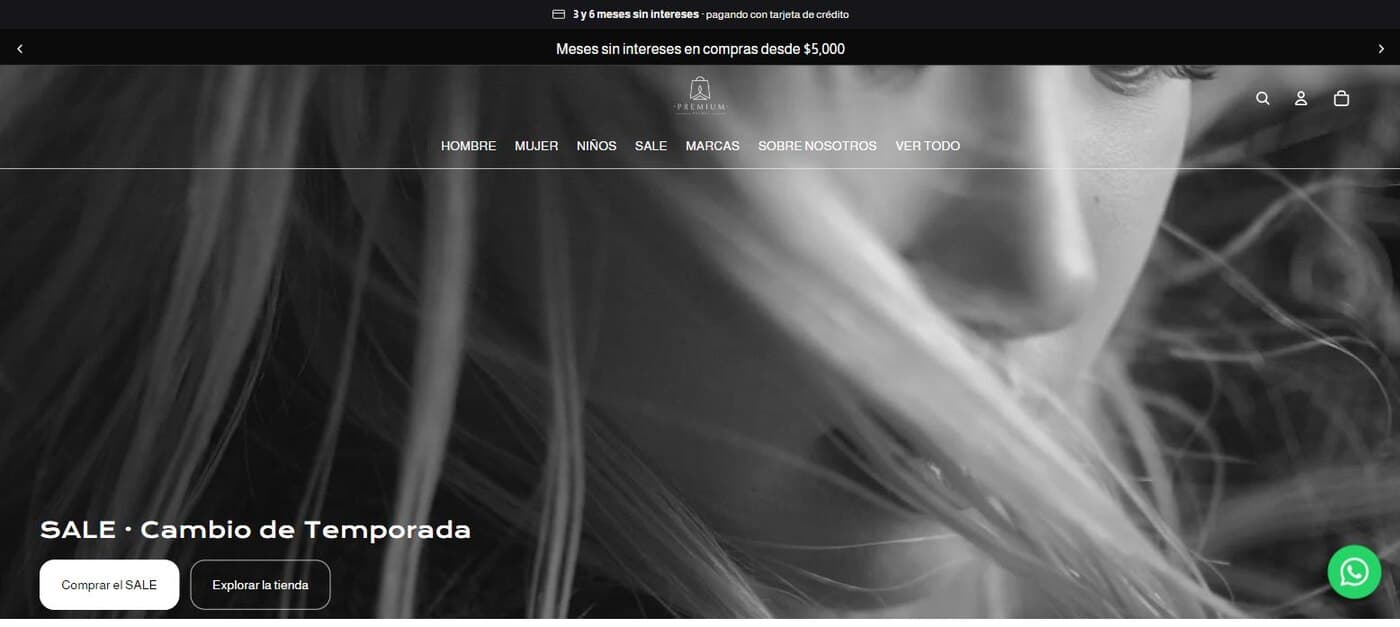
Premium Avenue, Mexico, roughly 972 products
Mexico, roughly 972 products

Premium Avenue

Designer fashion at a scale where navigation is the design problem. With a catalogue this size every extra click between a shopper and the thing they want costs a sale, so collection structure came before styling.

Read the full case study
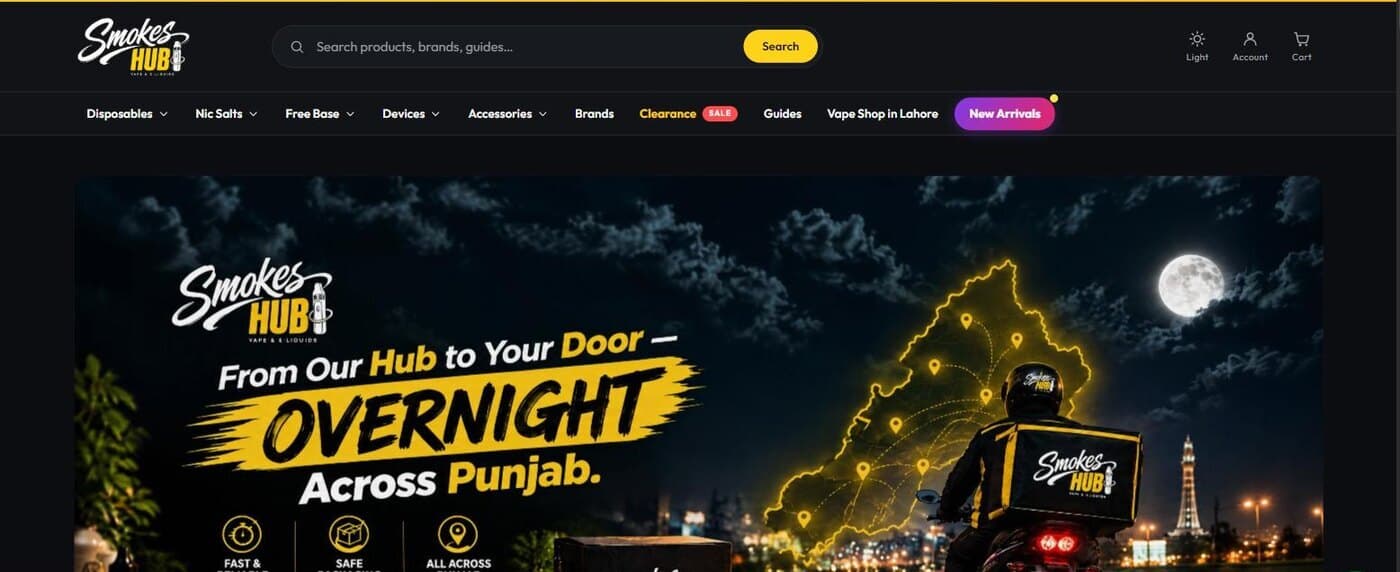
Smokes Hub, Pakistan, sibling store
Pakistan, sibling store

Smokes Hub

The second store, and the reason the product SEO pipeline needed anti duplication rules. Two stores from one owner bidding against each other in organic search is a self inflicted problem, and the rules are what make running both worth doing.

Read the full case study
Before you commit

What store owners ask first

Not if it is done through the theme own system rather than pasted over it. That is the difference between customisation that survives an update and customisation that has to be redone every time.

Usually, and often by removing rather than adding. The first pass is finding which apps are doing work the theme could do, and which two are fighting over the same part of the page.

Yes, including the part most migrations get wrong: the URLs. Redirects are mapped before launch so the rankings you already have do not go with the old site.

It changes the first decision. Past a few hundred products, collection structure and how a shopper narrows down matter more than the design, which is why that work comes first.

Yes, white label. The store is delivered under your brand and your client does not learn my name unless you want them to.

Send the store and the problem

The URL, and the thing it will not do. You get back whether it is a theme setting, an app conflict, or work that has to be written, and what that would cost.